August 17, 2026
The foundation of a building is pivotal to its structural integrity. As construction techniques and technologies evolve, the services provided by foundation digging companies are also advancing. In 2026, homeowners and developers can expect significant changes in how foundation digging is approached, from sustainability to technology integration. This article provides an in-depth look at what you can anticipate from a foundation digging service in the coming years. The advancements in this field aim to tackle challenges related to efficiency, safety, and environmental impact.
Innovations in Digging Technology
Advanced Machinery
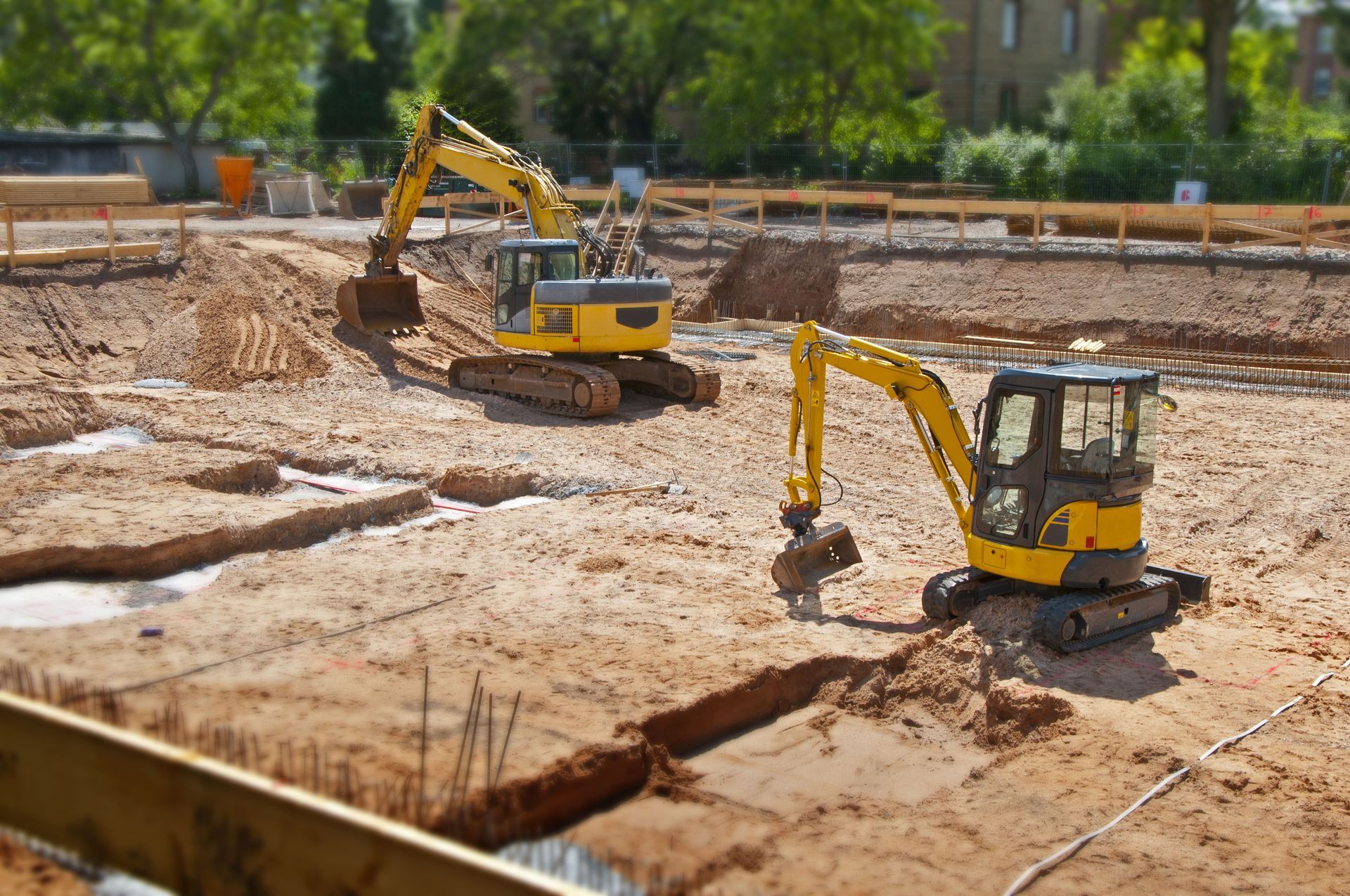
Advanced machinery is at the forefront of transforming foundation digging services. Companies are investing in state-of-the-art excavators and equipment that are not only faster but also more precise. These machines include GPS-guided excavators that allow for pinpoint accuracy, reducing the margin of error significantly. By 2026, it is expected that heavy reliance on digital interfaces will enable operators to control machines with unprecedented precision. This technology not only speeds up operations but also minimizes physical labor, making the process safer and more efficient.
Innovation doesn't stop at guidance systems; the materials and the engineering behind these machines are advancing as well. The latest machinery is being designed with sustainable technology in mind, reducing fuel consumption and emissions. Hybrid engines in heavy machinery are making headway, providing both power and efficiency. Such advancements are not only economically beneficial but also align with the growing emphasis on environmental responsibility. As demand for foundation digging services grows, the ability to utilize advanced machinery will be essential for competitive businesses.
The integration of artificial intelligence in machinery is another pivotal development. Machines equipped with AI can assess soil types, predict possible issues, and suggest the best digging strategies. These capabilities will significantly reduce the time needed to prepare and execute a project. According to HomeGuide, excavation typically takes one to three days for small projects but can extend beyond three weeks for larger sites or areas with rocky soil, a rock shelf, or sizable boulders. AI can help mitigate these delays, offering solutions that are tailored to specific site conditions.
Automation and Robotics
Automation and robotics are revolutionizing foundation digging by taking over tasks that were traditionally labor-intensive. Robotics in excavation involves the use of automated machines that can perform digging operations without direct human intervention. These robots are equipped with sensors and cameras, allowing them to navigate complex terrains effortlessly. The automation process enhances productivity by enabling work during non-traditional hours, such as nights and weekends. This leads to projects being completed more swiftly without sacrificing quality.
Cost savings are a significant advantage brought by automation in the construction industry. Reduced labor costs and fewer human errors result in decreased expenses for companies. Furthermore, automation enhances the safety of workers by minimizing their exposure to potentially hazardous situations. The transition to automation also demands a new set of skills from workers, pushing businesses to invest in training and development. By 2026, the norm will be a hybrid model where humans and machines work in tandem, optimizing the entire digging process.
Despite the changes it introduces, automation in foundation digging promises substantial long-term benefits. As robotic technology becomes more affordable, even small companies will be able to incorporate automated systems into their operations. The shift towards robotic assistance aligns with global trends of adopting digital solutions in construction. This movement not only enhances efficiency but also ensures a higher standard of safety and quality. As technology continues to evolve, the potential applications of robotics in construction are boundless.
3D Mapping and Modeling
The introduction of 3D mapping and modeling technologies is reshaping how foundation digging projects are planned and executed. By creating detailed 3D models of the excavation site, contractors can visualize potential challenges and plan accordingly. This technology provides an invaluable tool for pre-construction planning and collaborative decision-making. It enhances the accuracy of project estimates by giving a clear representation of the site conditions. 3D mapping enables more efficient use of resources and minimizes unexpected costs during the excavation process.
The use of 3D scanning technologies is becoming increasingly common in identifying and solving complex problems on site. These models assist in simulating various scenarios, allowing teams to anticipate and mitigate issues before they occur. It ensures that projects adhere strictly to timelines by reducing the number of unforeseen obstacles. With 3D technologies, project managers can optimize material use and labor requirements, reducing both waste and delays. By 2026, 3D mapping will be a standard practice for any major excavation project.
As the integration of technology into digging services continues, the demand for skilled personnel who can interpret 3D data will grow. Training programs are emerging to equip workers with necessary skills, ensuring that they can maximize the potential of these technologies. Projects can be presented in realistic formats, facilitating communication with all stakeholders including clients, architects, and engineers. 3D modeling also enhances documentation, providing accurate records that can be used for maintenance and future improvements. This adoption is a testament to the transformative power of technology in foundation digging services.
Smart Sensors and Monitoring
Smart sensors and monitoring systems are integral components in modern-day excavation projects. These sensors provide real-time data on vital aspects of the site, such as soil stability, moisture levels, and machine performance. This information allows operators to make informed decisions quickly, ensuring the safety and success of the excavation process. By utilizing smart sensors, companies can avoid potential risks and minimize downtime through proactive maintenance. The capability to monitor and respond to site conditions in real-time is a significant advancement in foundation digging services.
A key advantage of smart sensors is their ability to improve the precision and accuracy of excavation projects. They enhance the safety of machines and personnel by promptly detecting hazardous conditions and alerting operators. This reduction in safety risks can lead to fewer accidents and insurance claims, making projects more cost-effective. By improving operational efficiency, sensors also contribute to the sustainability of projects by reducing waste and maximizing resource use. In 2026, real-time monitoring will be standard practice rather than an optional enhancement in construction projects.
The data collected from smart sensors can also fuel continuous improvement in future projects. By analyzing this data, companies can refine their strategies, improve efficiency, and reduce costs. This ongoing optimization process helps businesses remain competitive in a rapidly changing industry. Moreover, the utilization of data analytics enables more transparent and informed client interactions. Adopting smart sensor technology not only enhances project outcomes but also elevates the overall quality of foundation digging services in the industry.
Laser Precision Techniques
The advent of laser precision techniques in foundation digging is set to redefine accuracy and efficiency in the industry. Laser technology allows operators to achieve unparalleled precision by guiding equipment through exact coordinates. This is particularly beneficial in projects that require intricate work in confined or difficult-to-access areas. With the ability to control cuts and digs down to the millimeter, unnecessary excavation is minimized, preserving the surrounding environment and structures. By 2026, laser precision will play a crucial role in ensuring the success and sustainability of foundation digging projects.
In addition to improving precision, laser technology significantly enhances the speed of excavation operations. Being able to outline exact parameters beforehand enables quicker decision-making and execution. Reducing manual measurements and adjustments streamlines the entire process, ensuring projects are completed within established timelines. The adoption of laser technologies also alleviates the margin for human error, resulting in safer working conditions and fewer on-site incidents. This cutting-edge technology showcases the industry's commitment to enhancing quality and efficiency in construction services. Be sure to reach out to JL Construction today to learn more about our professional foundation digging service!