June 15, 2026
Choosing the right material for retaining walls is an important decision for homeowners looking to improve both the appearance and functionality of their landscape. Wood and stone are two of the most popular options, each offering unique advantages and limitations. Factors such as durability, appearance, maintenance, installation requirements, environmental impact, and overall cost all play a role in determining the best choice. Understanding these differences can help property owners invest in a solution that meets their long-term goals while enhancing outdoor spaces.
1. Material Characteristics and Structural Performance
Wood is valued for its natural appearance and ability to blend seamlessly into outdoor environments. Many homeowners appreciate its warm and organic look, which works well in rustic and traditional landscapes. Various types of lumber, including pressure-treated wood and cedar, are commonly used in retaining walls because they are relatively easy to work with and readily available. Wood is also lightweight compared to stone, making transportation and installation more manageable. However, exposure to moisture and environmental conditions can gradually weaken untreated lumber. While modern treatments improve longevity, wood remains more vulnerable to natural deterioration than stone.
Stone offers exceptional strength and durability. Natural materials such as granite, limestone, and fieldstone provide solid structural support while adding timeless visual appeal. Stone walls are naturally resistant to weather-related damage and can withstand significant pressure from soil. Their weight helps create a stable structure that remains secure for decades. According to This Old House, properly maintained stone retaining walls can last between 50 and 100 years, while wooden walls typically remain functional for about 20 to 40 years. This significant lifespan difference often makes stone an attractive choice for homeowners seeking a long-term investment.
2. Durability and Lifespan Expectations
One of the biggest differences between wood and stone retaining walls is their overall durability. Wood can perform well for many years, but it requires protection from moisture, insects, and decay. Constant exposure to rain, snow, and changing temperatures can eventually compromise the material. Even pressure-treated lumber may experience deterioration over time, particularly in areas with high humidity or poor drainage. Regular inspections and preventative maintenance are necessary to preserve structural integrity.
Stone performs exceptionally well under harsh environmental conditions. It does not rot, warp, or attract termites. Natural stone can withstand heavy rainfall, freeze-thaw cycles, and prolonged sun exposure without losing strength. Because of its resilience, stone requires far fewer repairs throughout its lifespan. Homeowners often choose retaining walls made from stone when durability is a primary concern. The ability to maintain structural performance for decades makes stone one of the most dependable landscaping materials available.
3. Maintenance and Long-Term Care Requirements
Maintenance is another major factor that separates wood from stone. Wooden walls require ongoing attention to remain attractive and functional. Periodic sealing or staining helps protect the material from moisture infiltration. Property owners should also inspect for signs of insect activity, cracking, or rot. Addressing small problems early can prevent costly repairs later. Although maintenance tasks are generally straightforward, they must be performed consistently.
Stone walls require considerably less maintenance. Occasional cleaning may be needed to remove dirt, moss, or other surface buildup. Routine inspections can help identify shifting stones or drainage issues, but significant repairs are uncommon when the wall is installed correctly. Many homeowners appreciate the reduced maintenance demands associated with retaining walls built from stone because they can focus on enjoying their landscape rather than constantly maintaining it.
4. Visual Appeal and Design Flexibility
The appearance of a retaining wall can significantly influence the overall look of a property. Wood offers a warm and natural aesthetic that blends beautifully with gardens, wooded settings, and traditional landscapes. It can be stained or painted to complement existing outdoor features and allows for a wide range of customization options. The texture and color of wood often create a welcoming atmosphere that enhances outdoor living spaces.
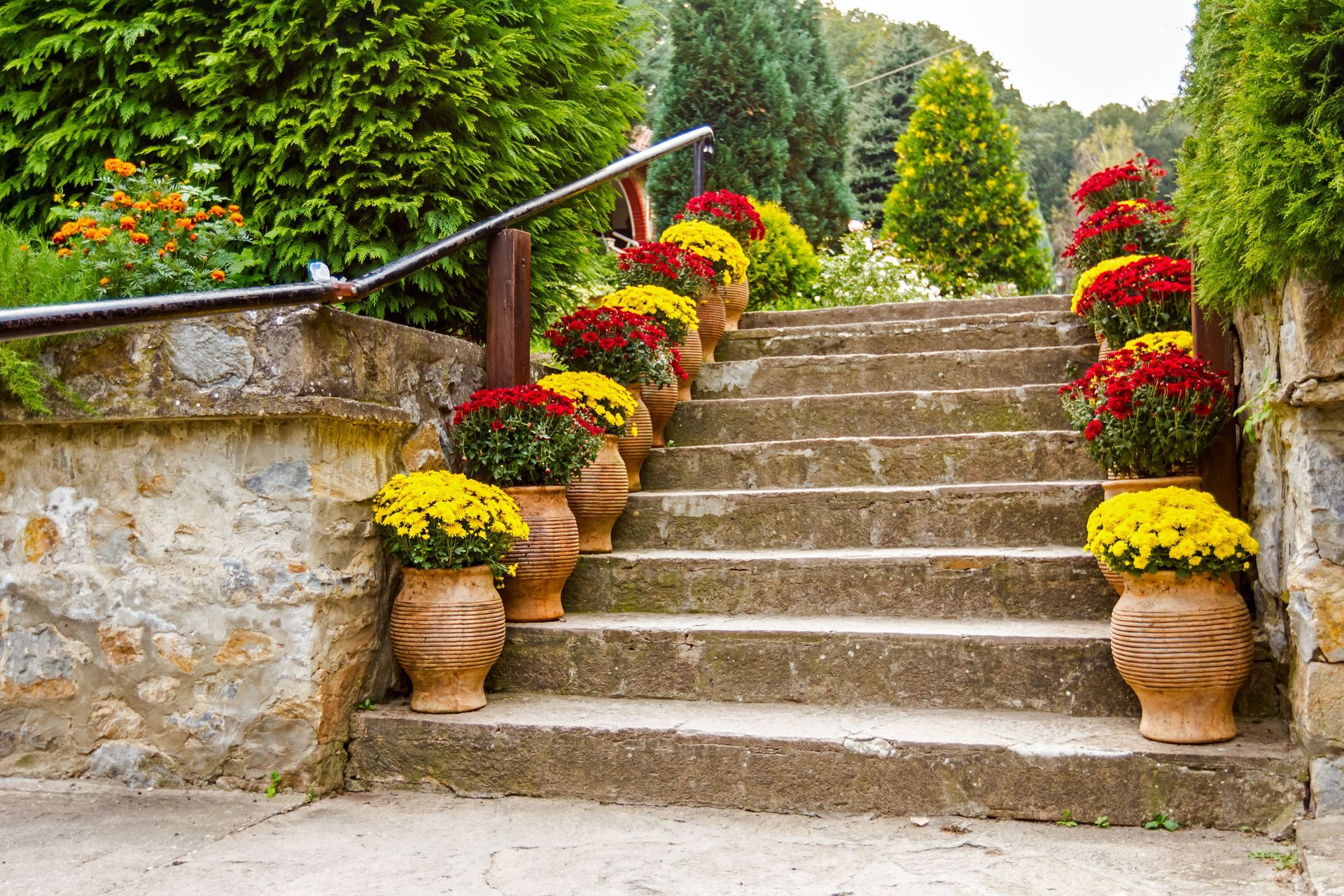
Stone delivers a classic and sophisticated appearance that remains attractive regardless of changing design trends. Available in numerous colors, textures, and shapes, stone can complement both traditional and modern landscapes. Natural variations in each piece create visual depth and character. Many homeowners view retaining walls made from stone as architectural features that increase the overall elegance of their property. The timeless appeal of stone contributes to its popularity in residential landscaping projects.
5. Installation and Construction Complexity
Wood generally offers a simpler installation process than stone. Because lumber is lighter and easier to handle, construction can often be completed more quickly. Homeowners with basic carpentry experience may even choose to tackle smaller projects themselves. Wood can also be cut and adjusted on-site, providing flexibility during construction. These advantages often make wood a practical option for projects with tighter timelines or budgets.
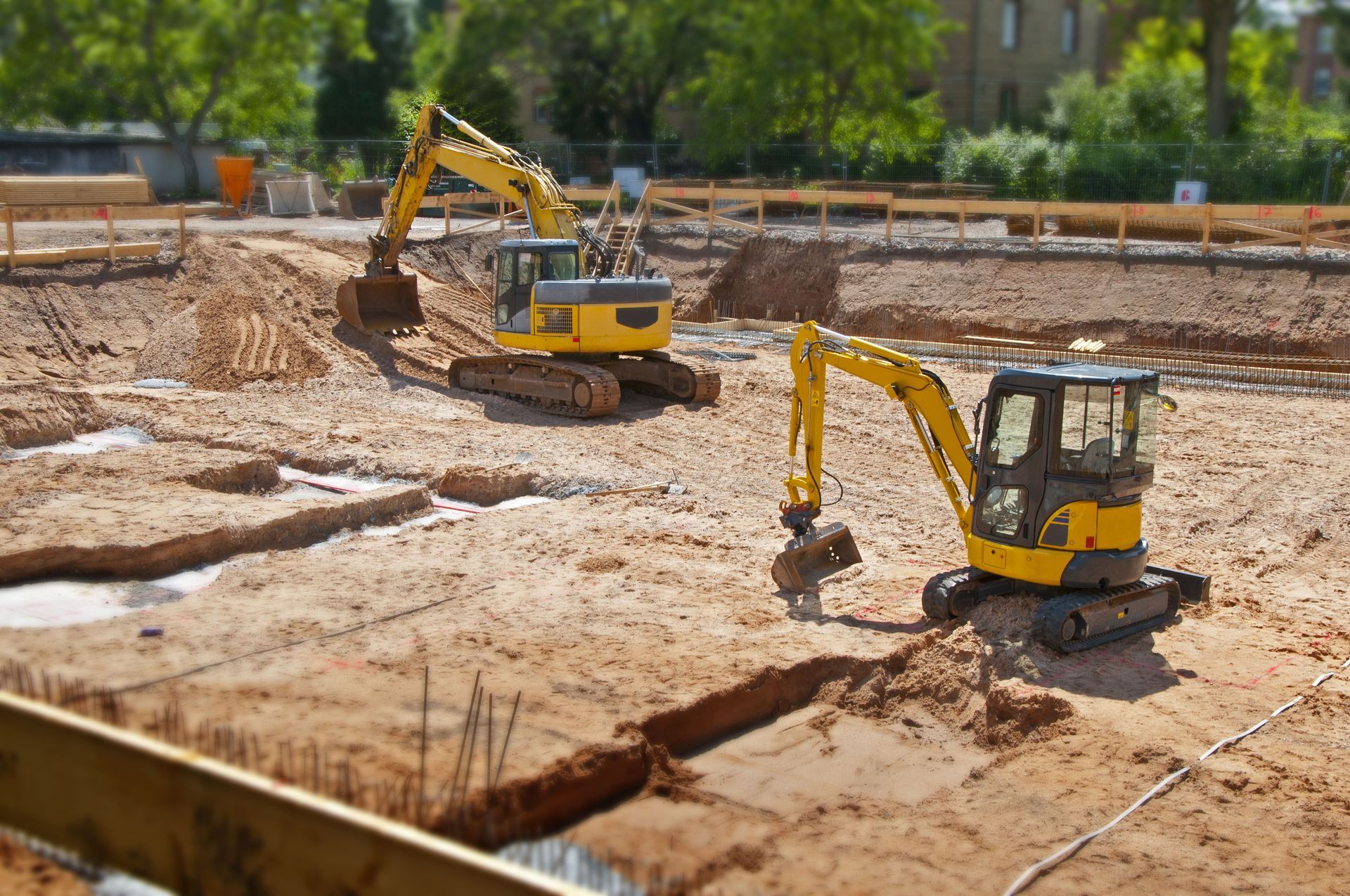
Stone installation requires more planning, labor, and expertise. Each stone must be carefully positioned to ensure stability and proper weight distribution. Excavation, grading, and drainage preparation are critical components of a successful installation. Due to the weight and complexity involved, professional installation is typically recommended. While the process may require a larger initial investment, the long-term benefits often justify the added effort and expense. Properly installed retaining walls made of stone can provide generations of reliable performance.
6. Cost Considerations and Investment Value
Initial costs often influence material selection. Wood is generally more affordable at the beginning of a project. Material costs are lower, and installation typically requires less labor. For homeowners seeking an economical solution, wood may seem like the obvious choice. The lower upfront expense can make landscaping improvements more accessible without requiring a significant financial commitment.
However, long-term value should also be considered. While stone usually costs more initially, its exceptional lifespan and minimal maintenance requirements can result in lower overall expenses over time. Fewer repairs and replacements help offset the higher installation cost. Many property owners discover that retaining walls constructed from stone provide greater value in the long run because they continue performing effectively for decades. Evaluating both short-term affordability and long-term costs is essential when selecting the most suitable material.
7. Environmental Impact and Sustainability Factors
Environmental considerations are increasingly important in modern landscaping decisions. Wood is a renewable resource when sourced from responsibly managed forests. Sustainable forestry practices help ensure ongoing availability while reducing environmental impact. Reclaimed wood is another environmentally friendly option that minimizes waste and promotes resource conservation.
Stone is not renewable, but it offers sustainability advantages through its longevity and durability. Because stone structures last so long, replacement needs are significantly reduced. Locally sourced stone can also minimize transportation emissions associated with construction materials. Additionally, reclaimed stone can be reused in new landscaping projects, extending its usefulness and reducing waste. Both materials can support environmentally responsible construction when sourced and installed thoughtfully.
Stone is often the preferred option for homeowners prioritizing durability, minimal maintenance, and long-term value. Its strength, longevity, and timeless beauty make it a reliable solution for demanding landscapes. While the initial investment may be higher, the extended lifespan often delivers significant returns over time. Carefully evaluating site conditions, budget, aesthetic preferences, and maintenance expectations will help determine which material is the best fit.
Both wood and stone offer unique benefits for retaining walls, making each material suitable for different landscaping goals. Wood provides affordability, flexibility, and a natural appearance, while stone delivers unmatched durability, low maintenance, and lasting beauty. Understanding the differences in performance, maintenance, installation, cost, and sustainability can help homeowners make a confident and informed decision. By selecting the material that aligns with their priorities, property owners can create retaining walls that enhance both the function and appearance of their outdoor spaces for years to come.
If you're planning a landscaping project and need professionally built retaining walls, contact JL Construction today. Our experienced team can help design and install a durable, attractive solution tailored to your property's needs, ensuring long-lasting performance and exceptional curb appeal.